
Driver type
- Car insurance for 17-18-year-olds
- Car insurance for 21-year-olds
- New driver insurance
- First car insurance
- Young driver insurance
- Named driver car insurance
- Learner driver insurance
- Learner drivers on your own
- Short term learner insurance
- Student car insurance
- Over 25s car insurance
- Over 50s car insurance
- Over 60s car insurance
- Over 70s car insurance
- Over 80s car insurance
- Car insurance for women
- Car insurance for the self-employed
- Car insurance for foreign drivers uk
- Car insurance provisional licence
Vehicle type






 Compare prices in minutesSavings from trusted providersDrive worry-free with the right protection
Compare hybrid car insurance quotes
Just provide a few details about yourself and your car to compare hybrid car insurance quotes in minutes:
Tell us about yourself
Let us know your car details and cover preferences
Compare quotes and choose your policy
What is hybrid car insurance?
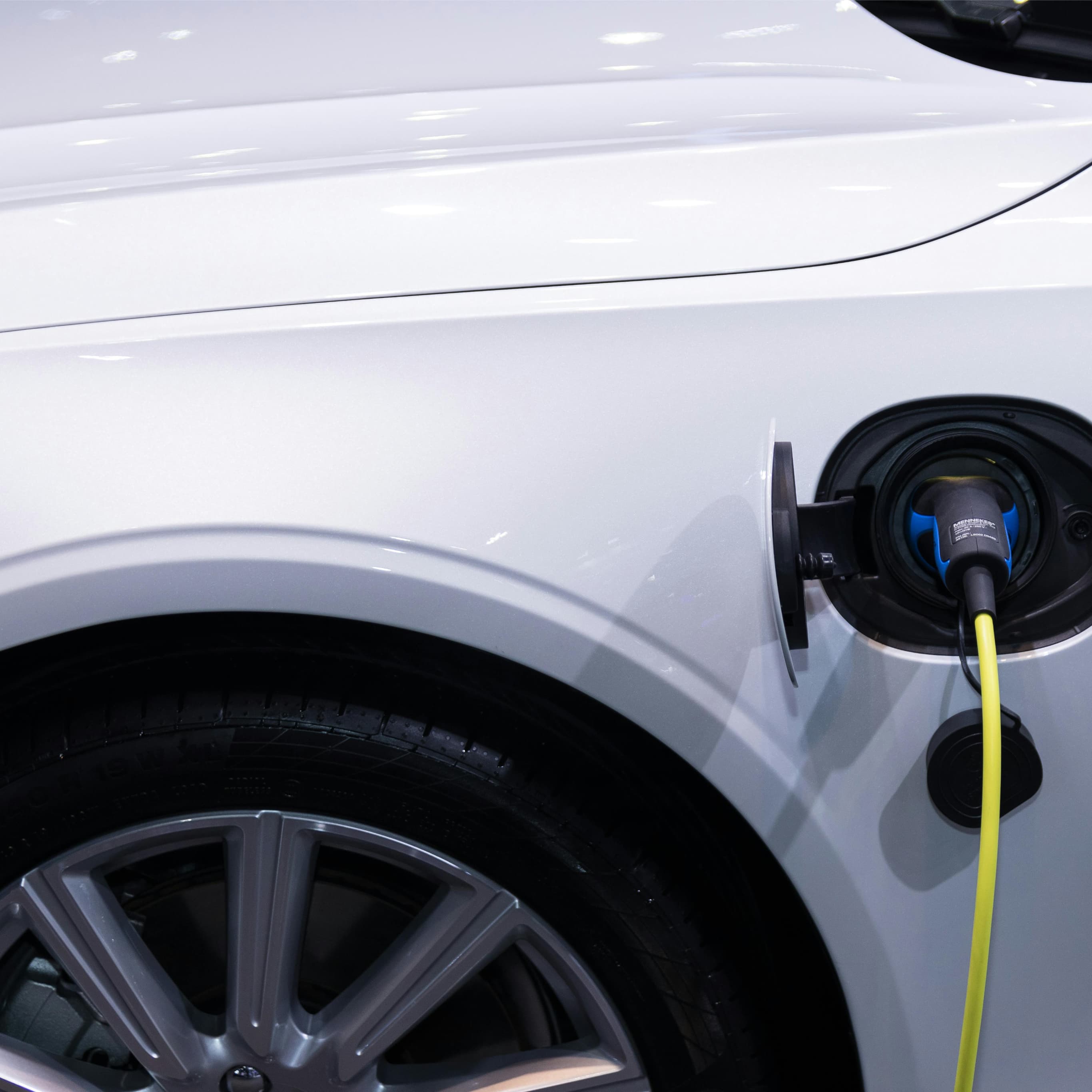
Hybrid car insurance works much like typical car insurance, but it accounts for the fact that your vehicle runs on both a combustion engine and an electric motor. Most hybrids can be covered by standard car insurance. However, some drivers choose policies that include extra protection for batteries, charging equipment, or specialist repairs.
Are hybrid cars more expensive to insure?
Yes, hybrid cars are more expensive to insure than many standard vehicles. These cars may be put in a higher insurance group because they tend to be more expensive to buy and have higher repair costs. That said, the premiums aren't always sky-high.
Are hybrid cars cheaper to insure?
Hybrid cars are generally more expensive to insure than conventional cars.
That said, hybrid cars can also have lower insurance in some circumstances: lower-powered models, limited annual mileage, or a good driving record reduce premiums slightly. Some hybrids may also benefit from lower road tax, which offsets the overall cost of ownership.
How much does hybrid car insurance cost?
On average, comprehensive cover for a hybrid starts at around £645*. Your hybrid car insurance premiums are influenced by your age, the cost of your car, and many other factors.
What type of car insurance is best for hybrids?
There are three main levels of car insurance:

Third-party insurance
Covers injury to others and damage to their property. It's the minimum legal requirement, but it doesn't cover your hybrid vehicle or its battery.
Third-party, fire and theft insurance
Adds protection for your car against fire, theft, or attempted theft, while still covering others for injury or damage.
Comprehensive insurance
Offers the highest level of cover. Comprehensive car insurance protects your car, including its battery, and covers all damages regardless of who's at fault.
Do all insurance providers offer hybrid car cover?
Not all companies offer the same options for hybrids. A limited number of insurers offer specialist car insurance for eco-friendly or hybrid vehicles. These providers can also include related insurance perks, such as coverage for batteries or charging equipment.
What affects the price of my car insurance premium?
Here's what insurers look at when calculating your policy cost:
Your age
Mature drivers (e.g., over 50) benefit from lower premiums due to their experience and lower risk.
Where you live
Living in a rural or low-risk area can reduce your insurance costs compared with high-theft or high-traffic urban locations.
Your driving history
A clean driving record with no accidents or claims can lower your car insurance costs over time.
Your car
Cars that are older, less powerful, or have a motor that powers the car in a less performance-oriented way cost less to insure.
How you use your car
Limiting your use to private trips instead of using it as a company car reduces premiums, too.
Your cover level and optional extras
Opting for basic hybrid car insurance cover without extra add-ons keeps costs down.
What optional extras do I need for a hybrid car?
Different car insurance policies come with a variety of optional extras:

Battery cover
Protects against faults or damage to hybrid or electric systems that run on an electric battery-powered motor, including costly repairs or replacements.
Electric car breakdown cover
Provides roadside assistance specifically for pure electric cars, including battery-related issues, charging problems, or towing if your vehicle stops working unexpectedly.
Portable charging cable cover
Covers loss, theft, or damage to portable charging cables, so that you aren’t left stranded or paying out-of-pocket for replacements.
Electric charger liability cover
Covers accidental damage caused to public or private charging points, or surrounding property, while charging your vehicle.
Personal accident cover
Covers injuries to you or passengers in the event of a car accident to supplement medical costs or loss of income.
Motor legal protection
Covers legal costs arising from disputes related to accidents, claims, or insurance matters to help you get adequate expert legal advice and representation.
No claims discount protection
Safeguards your no-claims discount even if you make a claim, preventing future premium increases.
Courtesy car cover
Provides a temporary replacement vehicle if your own car is off the road due to repairs or an accident.
European cover
Extends your policy to drive on UK roads and in Europe so you’re covered for accidents, theft, or damage while travelling abroad.
What to consider when choosing hybrid car insurance?
Price matters, but it's not the whole story. Here are the things worth considering before you decide:

Type of cover
Decide on the level of cover that suits you, from basic third-party to fully comprehensive.

What's included
Check whether the policy covers you and your car, or if it only protects other people and their vehicles.

Optional extras
Look at additional protections, such as cover for your charging point or other hybrid-specific components.

Policy limits and exclusions
Understand the circumstances in which you need to claim and any limits on payouts to avoid surprises.

Voluntary contribution
Consider adjusting your voluntary excess to balance premium cost with out-of-pocket expenses

Customer service and claims process
Research the insurance provider’s reputation for support and ease of handling claims.
How to get cheaper hybrid car insurance
There are a couple of smart decisions that can lower your premium:
Pay annually

Paying for your policy in one go can save you money because insurers usually add interest to monthly payments.
Compare cover levels

Check the level of cover you select. You may not always need comprehensive cover, especially if your hybrid has a lower value or you only drive occasionally.
Accept a higher voluntary excess

A larger voluntary excess usually means a lower premium. Just make sure it’s realistic for you.
Reduce your mileage

Lower annual mileage results in lower premiums, especially if most of your trips are short and predictable.
Ramp up your car security

Better security can cover the cost of upgrades. Alarms, immobilisers, secure parking, and tracking devices all help.
Park securely

Park on a driveway or in a locked garage to avoid the risks associated with on-street parking.
Avoid modifications

Standard, unmodified hybrids cost less to insure because they present lower repair costs and lower risk.
Shop around

Take time to shop around and compare quotes from multiple insurers.
What details do I need to provide to get a car insurance quote?
Before you register, it helps to have a few details ready so you can get the most accurate price. Here’s what you’ll be asked:
- Age
- Occupation
- Home address and where the car is parked overnight
- Car usage (social, commuting, business)
- Estimated annual mileage
- Driving licence number
- Car registration number
- Purchase date of the car
- Any vehicle modifications
- Your No Claims Discount
- Accident or claims history (last 5 years)
- Convictions or penalties (last 5 years)
- Any additional drivers
FAQ
Does hybrid car insurance include battery cover?
Standard car insurance doesn’t automatically include battery cover. The battery that helps power the electric motor is usually considered an optional extra or part of a specialised policy.
Is hybrid car insurance cheaper than electric car insurance?
You can get a hybrid car insurance policy that’s cheaper than electric car insurance, since hybrids usually cost less to repair. Premiums still depend on the model, location, and driving history.
Does the type of hybrid (mild, full, plug-in) affect the premium?
Yes. Plug-in hybrids cost more to insure than mild or full hybrids because they have larger batteries and more complex technology. Different models also vary in repair costs and insurance groups, which will influence your premium.
How does hybrid car insurance compare to petrol or diesel cars?
Costs for hybrid car insurance tend to be slightly higher than those for petrol and diesel cars. The extra cost comes from more expensive parts and technology, but premiums can be similar for hybrids with smaller batteries or lower insurance groups.
Do hybrid cars qualify for green car insurance discounts?
Yes, insurers sometimes reward eco-friendly vehicles with lower premiums or perks, but car owners should always check their policy documents to see if the discount applies.
Does my insurer need to know if I’ve converted my car into a hybrid?
Yes, your provider needs to know if you’re insuring a hybrid car that’s been converted. Full disclosure keeps your insurance for a hybrid vehicle valid, so any future claims will be properly covered.
Ready to Compare Hybrid Car Insurance Quotes?
You now have the information needed to make an informed decision about hybrid car insurance
Popular reasons to get quotes today:
- Insurance prices change regularly - secure today's rates
- Quick comparison process - typically takes just minutes
- Compare multiple insurers - access to 120+ providers
- No obligation service - get quotes and decide at your own pace
- Expert support available if you need guidance



 100% Secure & RegulatedFCA AuthorisedNo spam calls